Top Nutrition Tips for Healthy, Glowing Skin

Achieving healthy, glowing skin is a goal for many, and it often starts with what we put on our plates. The connection between nutrition and skin health is profound, as the right foods can enhance your complexion and overall appearance. In this post, we will explore essential nutrition tips that can help you achieve that radiant glow.
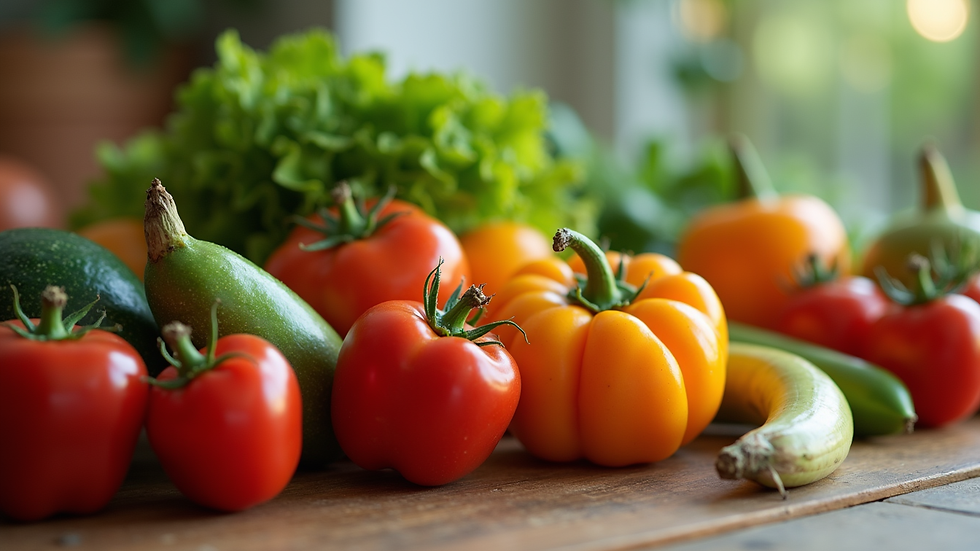
Understanding the Skin-Nutrition Connection
Your skin is the largest organ of your body, and it reflects your overall health. What you eat plays a significant role in how your skin looks and feels. Nutrients from food can help repair skin cells, reduce inflammation, and protect against environmental damage. Here are some key nutrients that are particularly beneficial for skin health:
Vitamins: Vitamins A, C, D, and E are crucial for skin repair and regeneration.
Minerals: Zinc and selenium help protect the skin from oxidative stress.
Fatty Acids: Omega-3 and omega-6 fatty acids support skin barrier function and hydration.
Antioxidants: Foods rich in antioxidants can help combat free radicals that damage skin cells.
Hydration is Key
Staying hydrated is essential for maintaining skin elasticity and moisture. Dehydration can lead to dry, flaky skin and exacerbate conditions like eczema and psoriasis. Here are some tips to ensure you’re drinking enough water:
Aim for at least 8 glasses of water a day, or more if you are active.
Include hydrating foods in your diet, such as cucumbers, watermelon, and oranges.
Limit caffeine and alcohol, as they can dehydrate your skin.
Incorporate Healthy Fats
Healthy fats are vital for maintaining skin health. They help to keep your skin hydrated and supple. Here are some sources of healthy fats to include in your diet:
Avocados: Rich in vitamins E and C, avocados help nourish and protect the skin.
Nuts and Seeds: Almonds, walnuts, and flaxseeds are excellent sources of omega-3 fatty acids.
Olive Oil: This healthy fat is packed with antioxidants and can help reduce inflammation.
Load Up on Fruits and Vegetables
Fruits and vegetables are packed with vitamins, minerals, and antioxidants that are essential for healthy skin. Aim to fill half your plate with these colorful foods. Here are some skin-friendly options:
Berries: Blueberries, strawberries, and raspberries are high in antioxidants and vitamin C.
Leafy Greens: Spinach and kale are rich in vitamins A, C, and K, which promote skin health.
Carrots: High in beta-carotene, carrots can help protect your skin from sun damage.
Limit Sugar and Processed Foods
High sugar intake and processed foods can lead to inflammation and breakouts. Here’s how to reduce these in your diet:
Choose Whole Foods: Focus on whole grains, lean proteins, and fresh produce instead of processed snacks.
Read Labels: Be mindful of added sugars in packaged foods and beverages.
Opt for Natural Sweeteners: Use honey or maple syrup in moderation instead of refined sugar.
Consider Supplements Wisely
While it’s best to get your nutrients from food, some people may benefit from supplements. Here are a few to consider:
Vitamin D: Especially important if you have limited sun exposure.
Omega-3 Fatty Acids: If you don’t consume enough fatty fish, consider a fish oil supplement.
Collagen: Some studies suggest that collagen supplements can improve skin elasticity and hydration.
Practice Mindful Eating
Mindful eating can enhance your relationship with food and improve your overall health. Here are some tips to practice mindful eating:
Slow Down: Take time to savor each bite and enjoy your meals.
Listen to Your Body: Pay attention to hunger and fullness cues.
Avoid Distractions: Try to eat without screens or other distractions to focus on your food.
Protect Your Skin from the Sun
While nutrition plays a significant role in skin health, protecting your skin from sun damage is equally important. Here are some tips for sun protection:
Use Sunscreen: Apply a broad-spectrum sunscreen with at least SPF 30 daily.
Wear Protective Clothing: Long sleeves and hats can help shield your skin from harmful UV rays.
Seek Shade: Limit sun exposure during peak hours, typically between 10 a.m. and 4 p.m.
Get Enough Sleep
Sleep is crucial for skin repair and regeneration. Lack of sleep can lead to dull skin and dark circles. Here are some tips to improve your sleep quality:
Establish a Routine: Go to bed and wake up at the same time each day.
Create a Relaxing Environment: Keep your bedroom dark, quiet, and cool.
Limit Screen Time: Reduce exposure to screens at least an hour before bedtime.
Manage Stress
Chronic stress can negatively impact your skin, leading to breakouts and other skin issues. Here are some strategies to manage stress:
Practice Relaxation Techniques: Yoga, meditation, and deep breathing can help reduce stress levels.
Stay Active: Regular exercise can boost your mood and improve overall well-being.
Connect with Others: Spend time with friends and family to foster a support system.
Conclusion
Achieving healthy, glowing skin is a holistic process that involves proper nutrition, hydration, and lifestyle choices. By incorporating these nutrition tips into your daily routine, you can nourish your skin from the inside out. Remember, consistency is key, and small changes can lead to significant improvements over time. Start today by making mindful choices that support your skin health, and enjoy the radiant glow that comes with it.


Comments